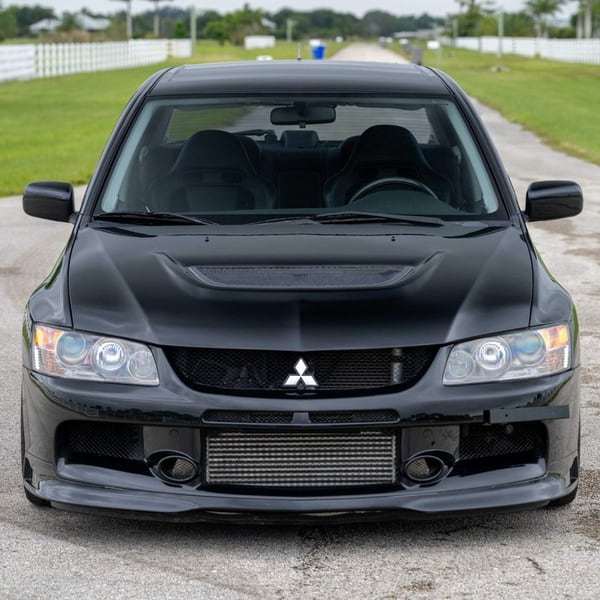
The Evo wagon is real, and it is an Evolution IX. Mitsubishi sold the Lancer Evolution Wagon in Japan only, launching it in September 2005 in two grades: the GT with a 6-speed manual and the GT-A with a 5-speed automatic. It was announced as a limited run of 2,500 cars, and it was never sold new in the United States.
Evo wagon: the Japan-only Lancer Evolution IX Wagon, explained
The Evo wagon is the Japan-only Lancer Evolution Wagon of 2005 and 2006: an Evolution IX with a wagon body, in GT and GT-A grades.
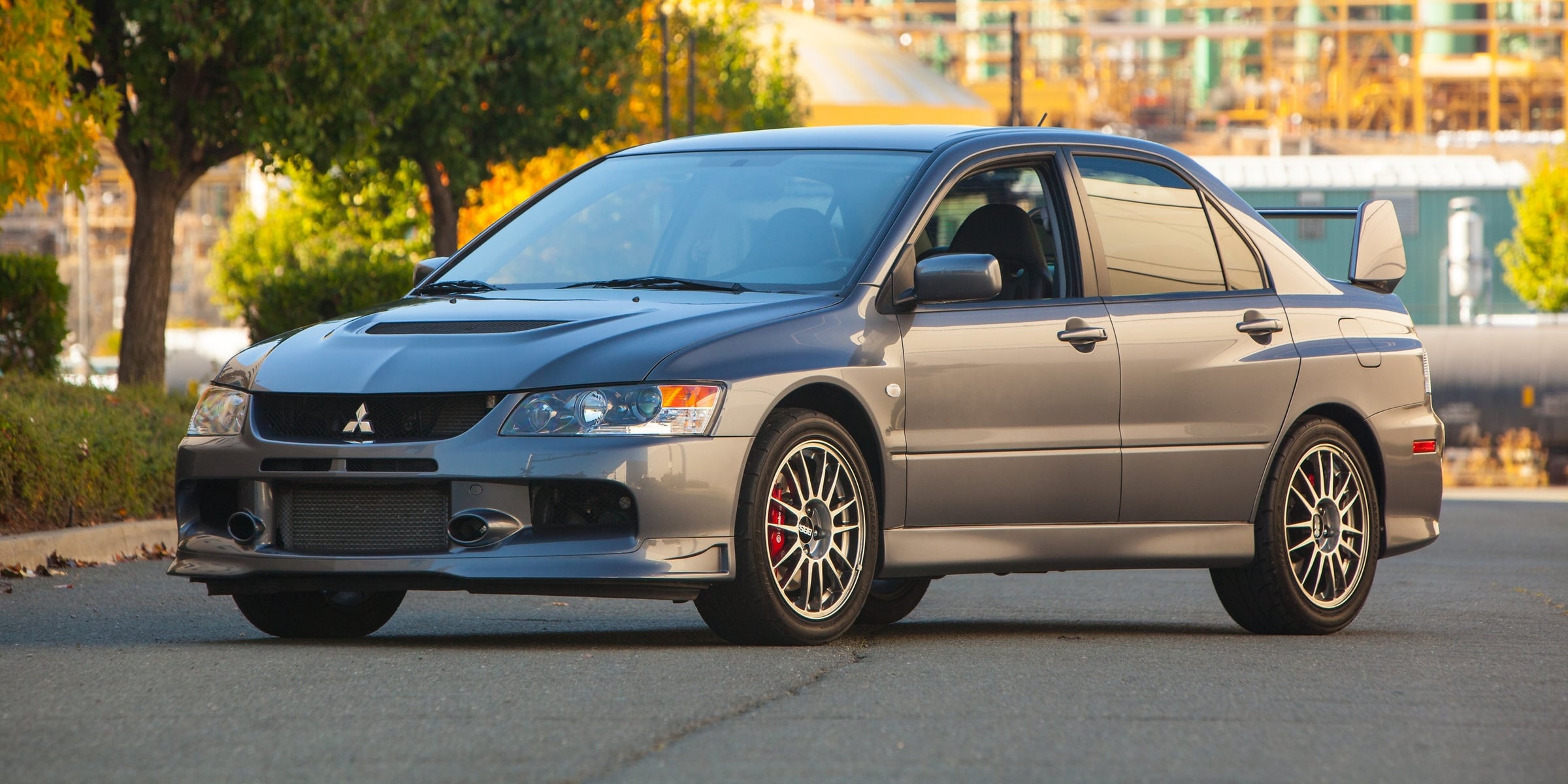
A 2006 Lancer Evolution IX MR sedan, the car the Japan-only Evolution Wagon was derived from. Photo: Bring a Trailer listing by p1_motorcars_ltd
2,500Planned runGT and GT-A combined
2GradesGT and GT-A
280 PSGT output6-speed manual
272 PSGT-A output5-speed automatic
CT9WChassis codeJapan only
At a glance
What the Evo wagon is
The Lancer Evolution Wagon is the only wagon in the Evolution line. New Atlas, reporting the launch, described it as derived from the Lancer Evolution IX sedan launched in March 2005. It carries the chassis code CT9W, where the sedan is CT9A.
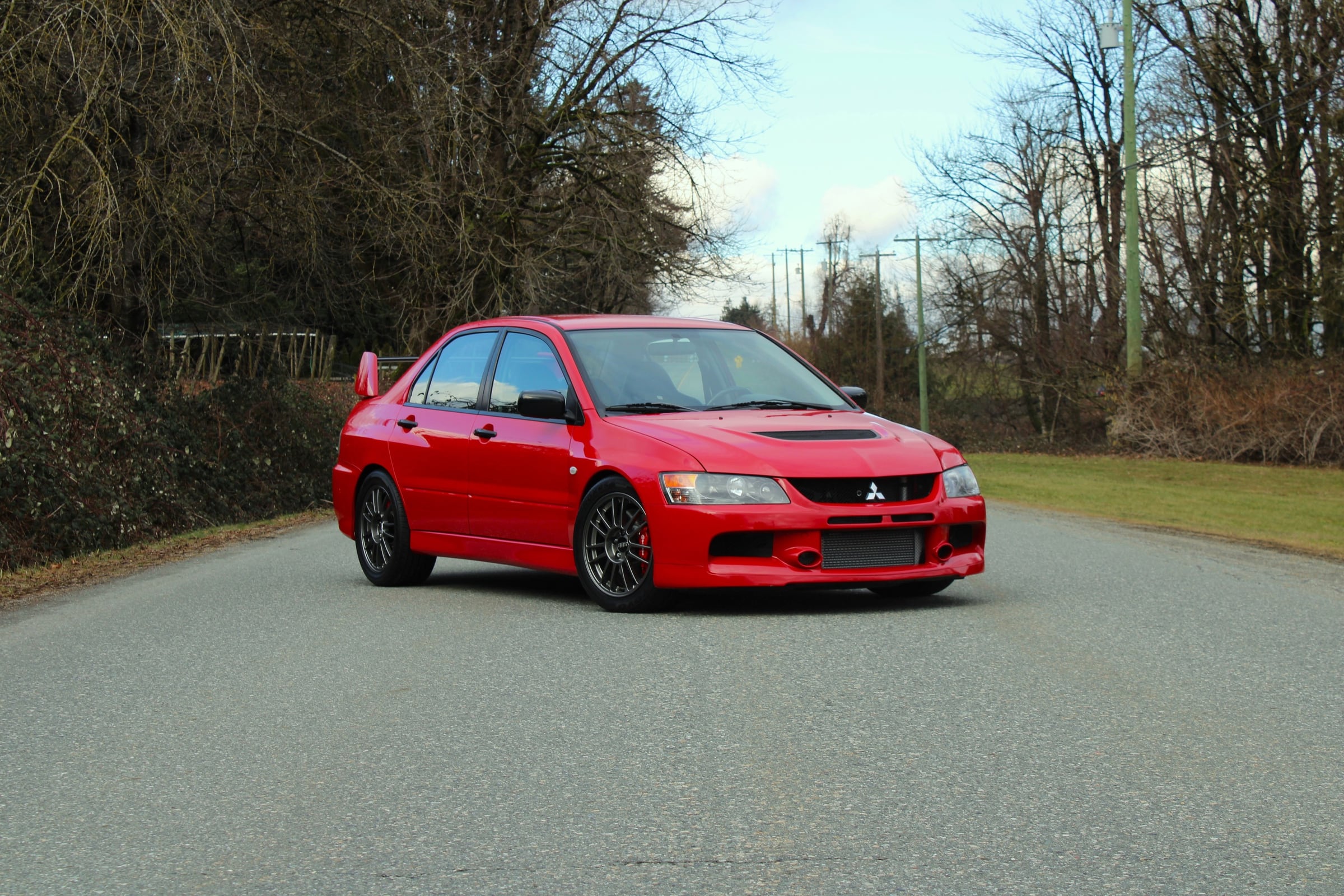
Under the wagon body it is the car US owners know. The engine is the 2.0-liter 4G63 with MIVEC, Mitsubishi's variable intake valve timing, and an intercooled turbocharger. Drive goes to all four wheels through the Active Center Differential (ACD), the electronically controlled center differential the Evolution IX sedan uses. The wagon rides on the same inverted MacPherson strut front and multi-link rear suspension as the sedan, according to GoAuto.
If the difference between the plain car and the Evolution is new to you, the site's piece on the difference between a Lancer and an Evo covers it part by part.
Evo wagon years: 2005 and 2006
The run was short.The Auto Channel reported that Mitsubishi put the car in its dealer showrooms across Japan on September 7, 2005. New Atlas, in a story dated September 9, wrote that it had gone on sale the day before, so the two reports differ by a day.
The site's own records put production of the Evolution Wagon from August 2005 to November 2006. The sedan ran longer, from March 2005 to June 2007. Every one is therefore a 2005 or 2006 build, and each was built for the Japanese market.
The two grades: GT and GT-A
The wagon came in two grades, and the gearbox is the difference that matters. The GT is the manual car. The GT-A is the automatic, and it is the only Evolution IX with one. PistonHeads put it plainly: unlike the sedan, the wagon was also available with an automatic transmission. The site's article on every automatic Lancer Evolution has the rest of that story.
| GT | GT-A | |
|---|---|---|
| Transmission | 6-speed manual | 5-speed automatic |
| Power | 280 PS (206 kW) at 6,500 rpm | 272 PS (200 kW) at 6,500 rpm |
| Torque | 392 Nm at 3,000 rpm | 343 Nm at 3,000 rpm |
| Front differential | Helical limited slip | Not stated |
280 PSGT, 6-speed manual
272 PSGT-A, 5-speed automatic
392 NmGT torque
343 NmGT-A torque
GoAuto reported that the GT-A makes its lower figures with a smaller turbocharger. The GT's 280 PS is the same advertised figure as the Japanese Evolution IX sedan.
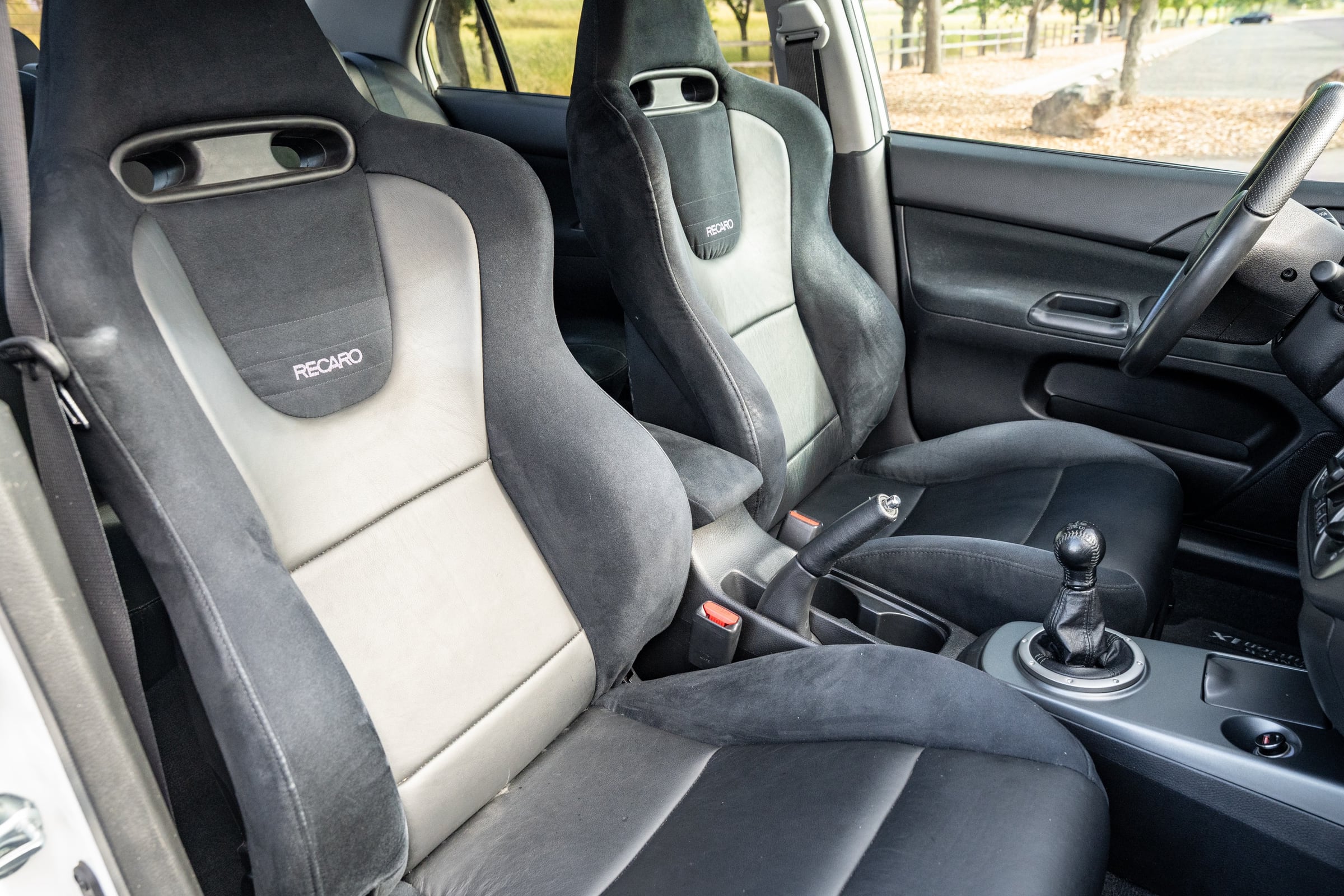
Both grades share the hardware around the engine. New Atlas listed the same 17 x 8JJ Enkei alloy wheels as the Evolution IX, with 235/45R17 Advan tires, and the same Brembo brakes: 4-piston calipers on 17-inch ventilated discs in front and 2-piston calipers on 16-inch ventilated discs at the rear. GoAuto noted that the Enkei wheels were finished in bright silver rather than dark gray. Inside are Recaro front seats and a Momo steering wheel.
On price, the launch reports disagree. The Auto Channel gave 3,465,000 yen for the GT and 3,412,500 yen for the GT-A. New Atlas gave 3,412,500 yen for the GT and put the GT-A about US$500 higher.
How Mitsubishi built the wagon body
Mitsubishi did not design a new body. New Atlas reported that the Evolution Wagon uses the same platform as the Evolution IX, meaning the engine compartment, front floor and rear floor, and takes its side panels and roof panel from the ordinary Lancer Wagon.
A wagon shell is less stiff than a sedan's, so the rear of the car was reinforced. The reports list the changes:
- Reinforcements at the A, B, C and D pillar joins
- A large floor cross member tying the rear floor to the rear wheelhouses
- A reinforcement at the top of the rear shock absorber mounting
- An extra 50 spot welds in the tailgate opening
GoAuto added that the tailgate spoiler comes from the Lancer Wagon Ralliart and that the hood is aluminum to save weight.
The payoff is the cargo area. New Atlas gave it as 530 liters by the VDA measure with five people aboard and the cover not deployed. The rear seatback splits 60/40 and reclines through 5 settings, and there is a roll-up tonneau cover and a three-section box under the floor.
The Evolution Wagon MR of 2006
The wagon got one update. On August 29, 2006, Mitsubishi put the Lancer Evolution IX MR sedan and the Lancer Evolution Wagon MR on sale in Japan together. MR stands for Mitsubishi Racing, the name the company uses for its top Evolution grades.
The Wagon MR kept the two grades, GT and GT-A, and New Atlas reported that maximum power and torque were unchanged from the existing models. Prices with tax ran from 3,412,500 yen to 3,486,000 yen. The same report called these the last models to use the 4G63 engine, which is covered in the site's 4G63 engine article.
This Japanese MR is not the US car of the same name. The Evo 9 MR sold in America was a 2006 sedan with its own equipment list.
How many Evo wagons were built
Mitsubishi's 2005 launch material set the run at 2,500 cars, GT and GT-A combined, with production due to stop at the end of December that year. PistonHeads repeated the 2,500 figure in 2018.
Two things complicate that number. The site's records show wagon production running to November 2006, well past the December 2005 end date, and the Wagon MR of August 2006 came after the first run. A higher count of 2,915 is on file from a VIN search cited by Wikipedia, but it is unverified. Mitsubishi never published a final total or a split between GT and GT-A.
Can you buy an Evo wagon in the US
Not from the cars sold here new. The Evolution Wagon was a Japanese-market model, and PistonHeads noted that none were officially designated for the UK either. The US Evolution IX was a sedan, in a 2006 run Hagerty puts at 8,201 cars.
That leaves the sedan as the Evo 9 most American buyers will find. As of November 2026 the site tracks 60 Evo IX for sale in the US, with a median asking price of $32,000.
Where to go from here
The Evo IX page has the full specs and production counts for the generation the wagon is built on. The Evo IX for-sale page lists the sedans on the US market now, and the values page shows what each generation sells for.
Sources and photo credits (10)
- New Atlas, Lancer Evolution 4WD Wagon: the Estate Car on steroids (2005 launch report)
- New Atlas, Mitsubishi launches Lancer Evolution IX MR and Lancer Evolution Wagon MR
- The Auto Channel, Mitsubishi Motors Releases High-Performance 4WD Station Wagon, Lancer Evolution Wagon
- GoAuto, First look: Evo wagons ho
- PistonHeads, Mitsubishi Evo IX Wagon: Spotted
- Hagerty, on the Lancer Evolutions imported to the US
- Wikipedia, Mitsubishi Lancer Evolution
- Cover photo: 23k-Mile 2006 Mitsubishi Lancer Evolution IX MR, Bring a Trailer listing by p1_motorcars_ltd (photo 2006_Gray_Evo_MR_SE_MASTER_0007-25760)
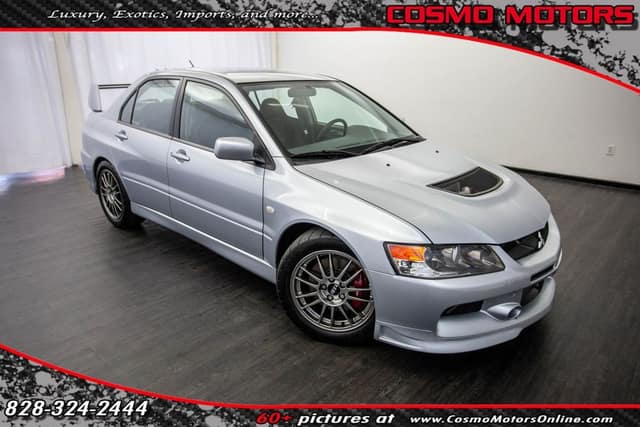
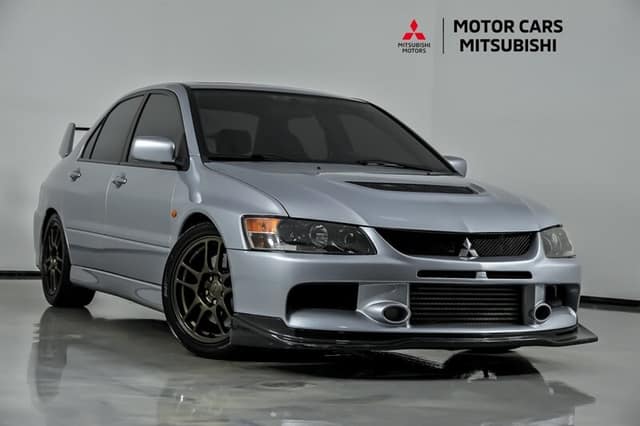
- Photo 1: 12k-Mile 2006 Mitsubishi Lancer Evolution IX RS, Bring a Trailer listing by p1_motorcars_ltd (photo IMG_2280-80160)
- Photo 2: 13k-Mile 2006 Mitsubishi Lancer Evolution IX, Bring a Trailer listing by 117033741z (photo 2006_mitsubishi_lancer_2006_mitsubishi_lancer_fcb6622f-b7b0-4209-9ef3-e7416014244b-6GWPUZ-47204-47205)
For sale now
All Evo IX for sale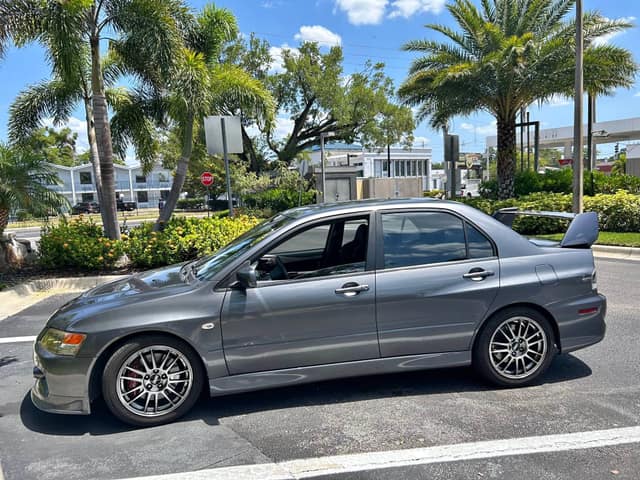

Register your Evo
Claim your VIN or chassis number. Your car gets a page with its photos, its ownership chapters and every sale on record.
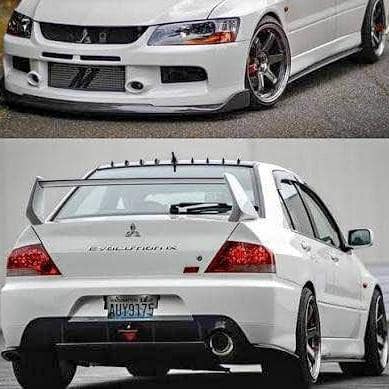
Register your EvoPhoto: Bring a Trailer listing by nlakind
Comments
Members can correct a mistake in this article or add to it here.
Log in or sign up free to comment.